



My amazing Patreons support all of my free patterns, tutorials and workshops! If it weren’t for them, I wouldn’t be able to keep producing or hosting freebies. We’d love to have you join us, and in return, you get exclusive behind-the-scenes material, member-only discounts, early access to new free content and more. You can also say thanks for the freebie via the Tip Jar.
This is the 3rd post in my series for ADHD Awareness Month, where I look through the lens of my work to try and raise awareness about ADHD from a different perspective.
My inability to watch a film through to the end without falling asleep or getting bored is an in-joke in our home. Even with knitting in hand, I just can’t. Yet I can watch TV episodes back to back; I’ll consume an entire mini-series in one sitting.
Why? My #ADHD.
TV episodes can be about 40 minutes long, which means the story may be punchy or quick. But the story is never over after one episode; it’s delivered in bite-sized chunks over a series or more, where the characters develop over time. They’re a story within a story and new twists may lay ahead.
A film can be twice as long as a TV episode, maybe more. This allows the story teller to explore the characters in more depth in one space, rather than break things up into sections. The story may take an unclear path yet there’s always a more clearly defined beginning, middle and end.
These each require different levels of attention. Attention is a problem with ADHD, or rather maintaining focus on one thing can be a problem. Yet it’s more than just attention; it’s the way the stories are built and the intrigue created.
Let’s look at Hat knitting, at construction in particular.
A vertically knit Hat, whether top-down or bottom-up, is a film in this scenario. There’s a clearly defined beginning, middle and end – the brim, body and crown are worked consecutively but separately. Once you’ve knit from the first round to the last the Hat is finished, it’s story told. It may twist and turn but it always starts at one end and ends at the other.
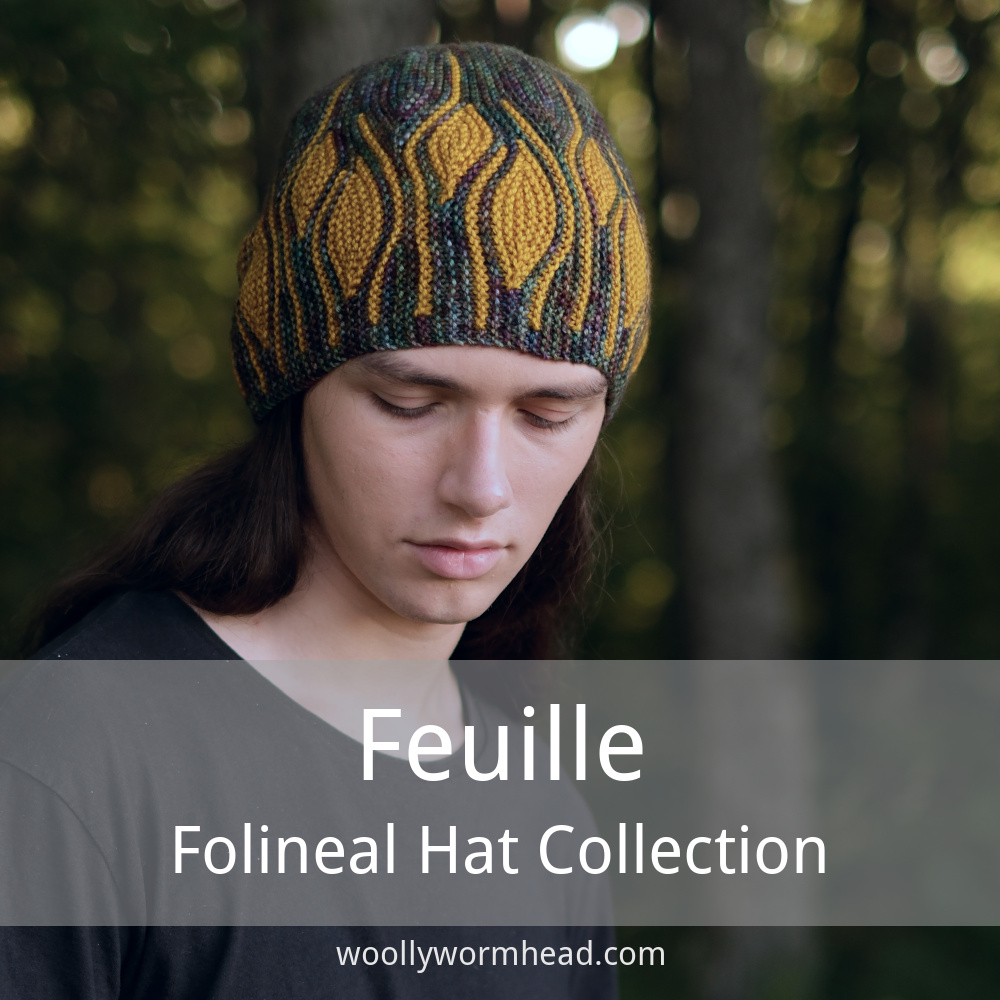
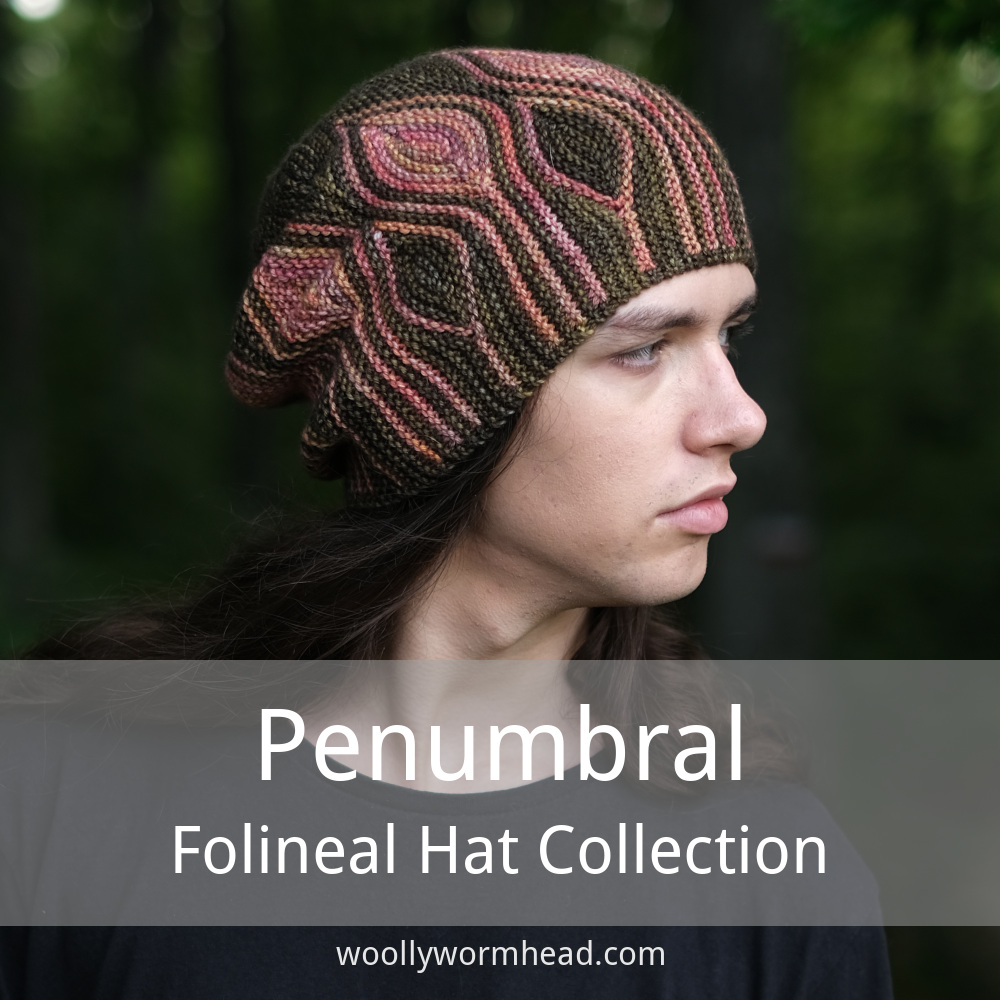
Within each row of a sideways knit Hat we knit a little bit of the brim, body and crown; the beginning, middle and end are works in progress. Once you’ve knit from the first row to the last the story isn’t over; more panels need to be worked until the Hat, and it’s story, are complete. The next panel can be different from the previous one but it has to continue the story. A sideways knit Hat is a TV series in this scenario, a panel an episode.
Sideways knit Hats are my favourite to design, realising why cemented my love for them.
But here’s the thing: no media, Hat construction, or neurotype for that matter, is better than another. They’re just different and that needs to be OK.








0 Comments